

 English

How REACH Affects Global Supply Chains: Insights for OEMs and Tier 1 Suppliers
 April 14, 2025
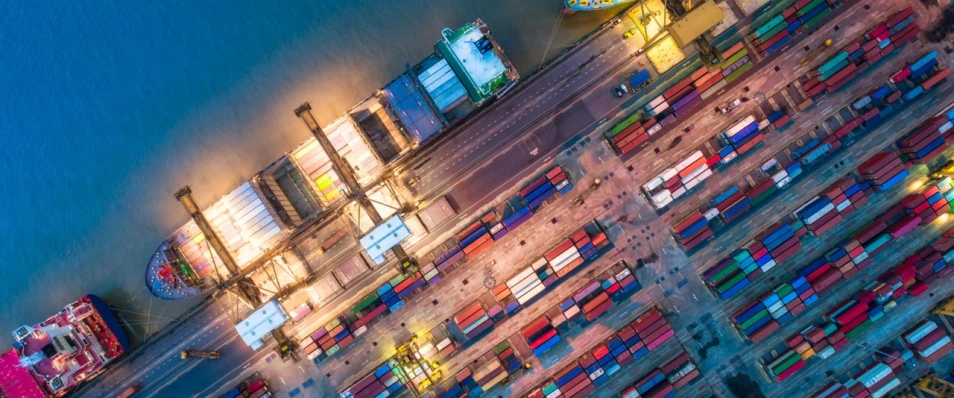
The REACH Regulation (Registration, Evaluation, Authorisation and Restriction of Chemicals) is a cornerstone of the European Union’s chemical safety legislation. Though it is EU-based, REACH has evolved into a global benchmark—its influence extending far beyond European borders through supply chain obligations, data transparency requirements, and market access conditions.
For companies across industries, especially in automotive, electronics, and consumer goods, understanding how REACH applies globally is essential not just for compliance, but for long-term competitiveness.
1. REACH Is Not Just an EU Law—It’s a Global Market Requirement
When people hear about REACH, they often think it only concerns European manufacturers. But that’s a dangerous misconception.
REACH is EU legislation, yes - but its economic impact stretches globally. Any business supplying chemical substances, mixtures, or articles to the EU—whether directly or indirectly—must comply. This means a metal part made in Vietnam, a plastic assembly from China, or a coating formulation from the U.S. could be subject to REACH rules if the final product is sold in Europe.
And this is not just about legality. Market access is on the line. Non-compliant products can be:
- Blocked at the EU border
- Recalled from the market
- Rejected by customers like OEMs or Tier 1s who face legal risk themselves
So even if you’re outside the EU, you may be legally and contractually pulled into REACH obligations, especially if your customer depends on your material data for their own compliance.
2. Compliance Starts Deep in the Supply Chain
REACH places legal obligations on EU-based manufacturers, importers, and downstream users, but these obligations cascade backward into the supply chain.
To meet REACH, EU companies need to know what's in every component and material—and they rely on you, the supplier, to give them that information. That includes:
- Full substance declarations
- SVHC (Substances of Very High Concern) checks
- Material safety data sheets (SDS)
- Confirmation of compliance with REACH restrictions
This flow-down creates an invisible network of accountability. A Tier 3 supplier in Asia who can't provide reliable data can jeopardize the entire chain, creating production delays, compliance risks, and reputational damage upstream.
And let’s not forget: this isn't optional. If you can’t provide the data, your customer may replace you with a supplier who can.

Figure 1. Connecting Suppliers Through a Single Compliance Hub
This pressure is why major industries now require digital compliance tools like IMDS, BOMcheck, and CDX to collect and centralize material data from the source.
3. REACH Is Redefining Supplier Expectations Worldwide
Perhaps the most profound impact of REACH is how it is reshaping supplier relationships. It’s no longer enough to offer low cost, fast lead times, or consistent quality. Today’s OEMs expect suppliers to be compliance-ready.
This includes:
- Understanding what REACH requires—even if you're not directly regulated
- Building internal processes to trace chemical content back to raw materials
- Appointing an Only Representative in the EU if you're a substance manufacturer outside Europe
- Responding quickly to requests for REACH or SVHC declarations
In this context, compliance becomes a competitive advantage. Suppliers who are transparent, responsive, and proactive will be favored in sourcing decisions. Those who delay or resist compliance risk being left behind.
We’re seeing this already. In industries like automotive, aerospace, and electronics, sourcing teams are now adding REACH-readiness criteria into supplier scorecards and Request for Quotation.
4. What’s Next: A Shift from Compliance to Strategy
REACH is not static. The list of SVHCs continues to grow every 6 months. SCIP database reporting is mandatory. And global REACH-like laws (K-REACH in Korea, KKDIK in Turkey, MEE Order 12 in China) are rising.
The smartest companies aren’t just reacting—they’re building compliance into their design and sourcing strategies. That means:
- Using safer alternatives early in product development
- Creating digital material databases for all products
- Embedding compliance into supplier onboarding and audits
- Hiring dedicated material compliance staff or using third-party expertise
In the long term, REACH will help create more transparent, sustainable supply chains. But the companies that lead will be those who stop seeing it as a burden—and start treating it as a strategic capability.
Conclusion: REACH Is More Than a Regulation—It’s a Market Gateway
In a globalized world, regulations like REACH are not limited by geography. They follow products across borders and supply chains, shaping how companies design, source, and sell goods. Whether you’re an OEM, a Tier 1 supplier, or a raw material producer, your understanding and preparation for REACH compliance is now a business necessity.
If your product touches the EU, REACH touches you.
At Vinso, we support OEMs, Tier 1s, and suppliers worldwide in navigating REACH and similar regulations. Whether you're building your first compliance system or optimizing an existing one, our team is here to help you stay ahead.
Contact us to learn how compliance can become your competitive edge by email: info@vinsoglobal.com
Reference:
- European Chemicals Agency. (n.d.). Candidate List of substances of very high concern for Authorisation. Retrieved June 3, 2025, from https://echa.europa.eu/candidate-list-table
- CIRS Group. (n.d.). K-REACH Registration – South Korea – Chemicals. Retrieved June 3, 2025, from https://www.cirs-group.com/en/chemicals/k-reach-registration
- REACHLaw Ltd. (n.d.). KKDIK (Turkey REACH). Retrieved June 3, 2025, from https://www.reachlaw.fi/kkdik/
Ministry of Ecology and Environment of the People’s Republic of China. (n.d.). Chemical Regulation. Retrieved June 3, 2025, from https://english.mee.gov.cn/special_reports/chemical_regulation/